The 5 Best UK Beaches for Sea Glass Collectors
Discover the best UK beaches for sea glass hunting: where to go, what you’ll find, and why it washes up there.


Seaham Beach, County Durham (England)
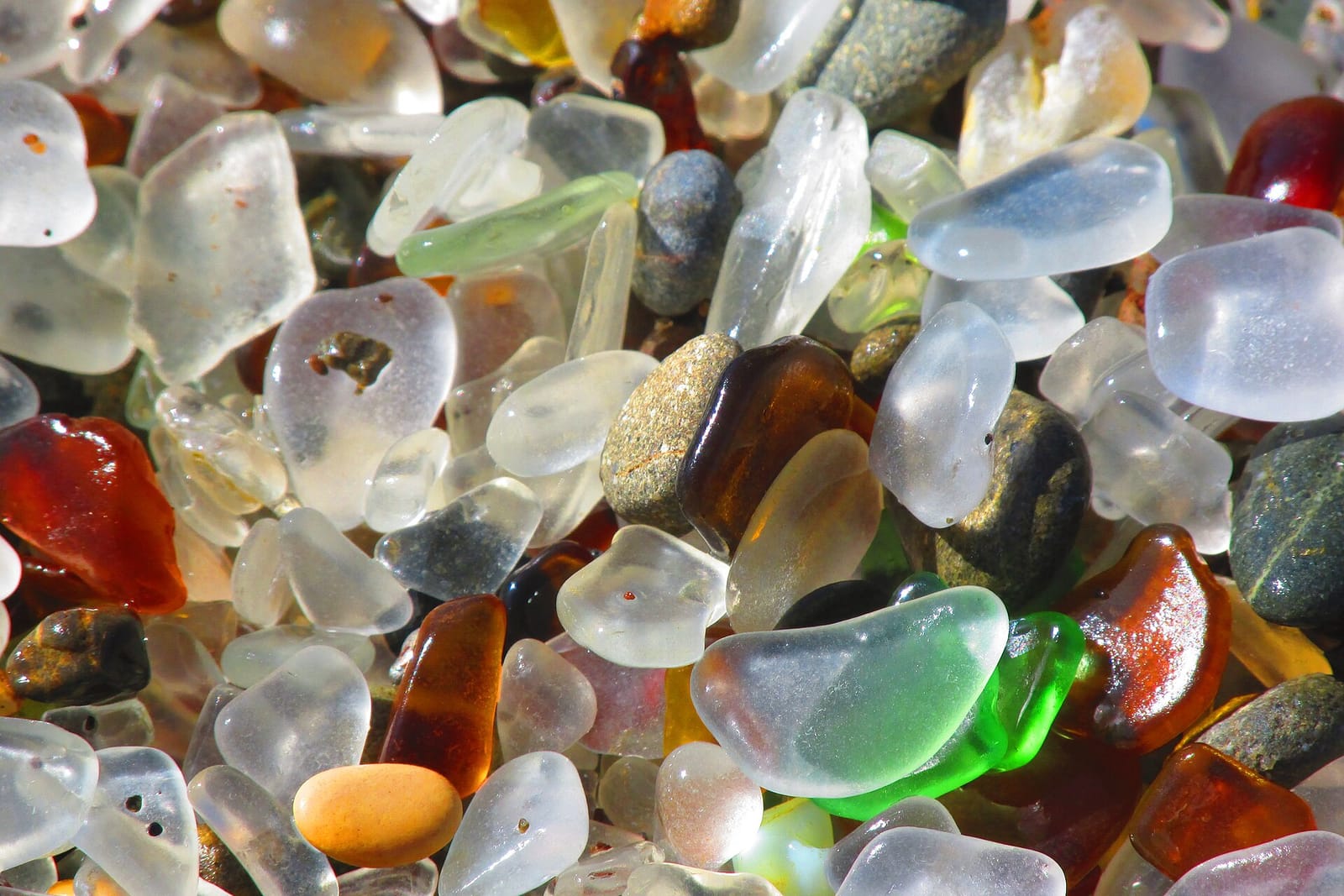
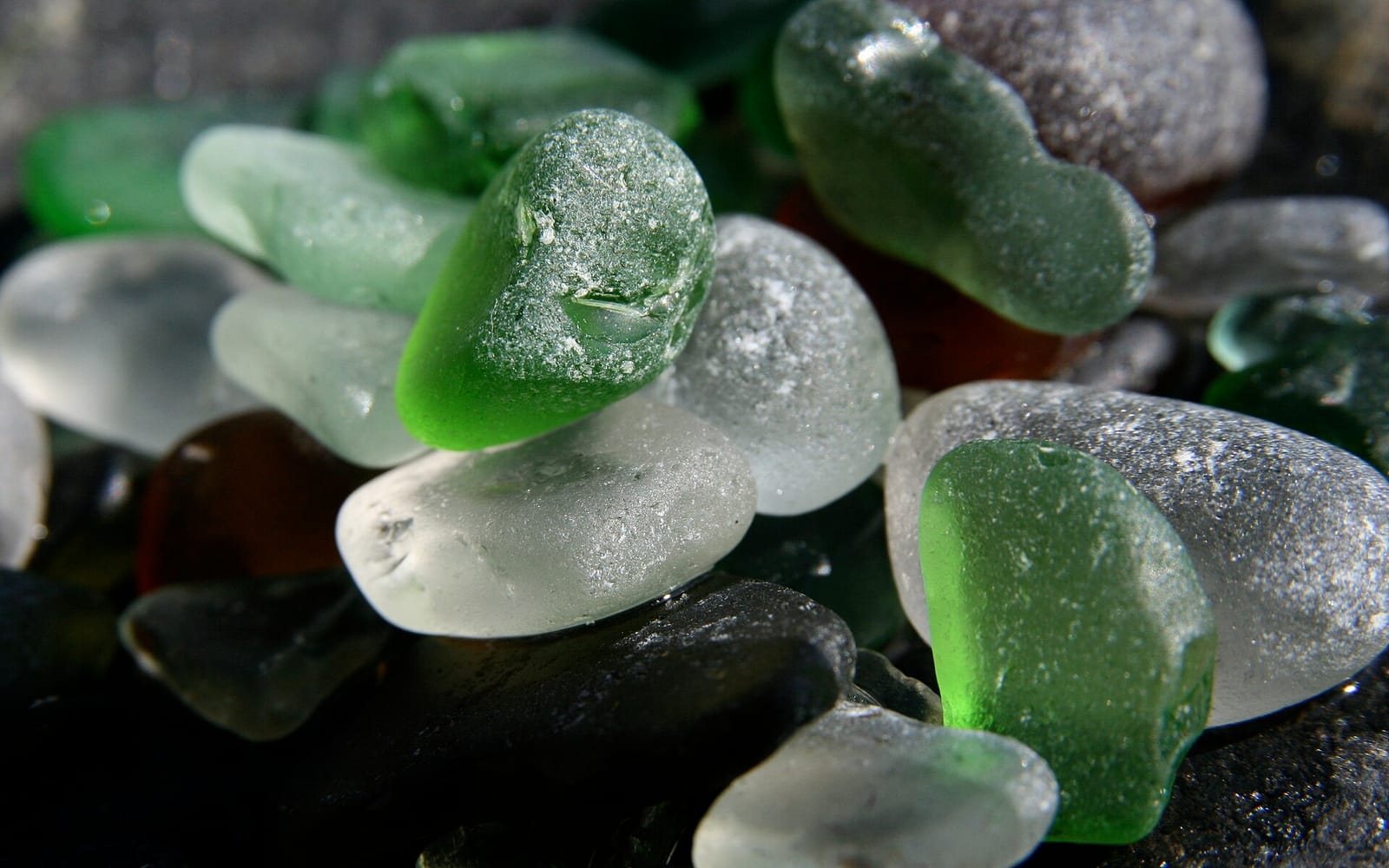
Seaham Beach is legendary among sea glass hunters, often considered the top spot in the UK. Over a century ago, Seaham was home to one of Britain’s largest glass bottle works. At day’s end the Londonderry Bottleworks would dump waste and rejected glass into the North Sea. Decades of tidal tumbling have transformed that industrial discard into smooth, gem-like sea glass. Uniquely, much of Seaham’s glass was multi-colored art glass that didn’t turn out as intended. Today collectors prize these swirled “multis” that can feature several colors in one piece. It’s not unusual to pick up vivid turquoises, cobalt blues, and even reds among the usual greens and whites, thanks to the variety of glass once made here.
When visiting Seaham, plan for low tide and consider coming after a storm, when waves have freshly stirred the bounty. The beach itself is pebbly with plenty of little shingle piles, and a local tip is to dig into the pebble mounds and often a dozen glass shards will be revealed underneath. Seaham is easily accessible (there’s a car park near Seaham Hall Beach, postcode SR7 7AB) and the town has amenities, as this spot draws collectors from around the world. Don’t forget to look up from your treasure hunting occasionally: the North Sea views and coastal air are part of the charm. I’ve been to seaham myself and although it being a cold day, and very busy with most of the glass gone before we arrived we still got a much larger haul that the majority of beaches we’d visited in and area the country. Read our full breakdown of seaham beach here.
Robin Hood’s Bay, North Yorkshire (England)
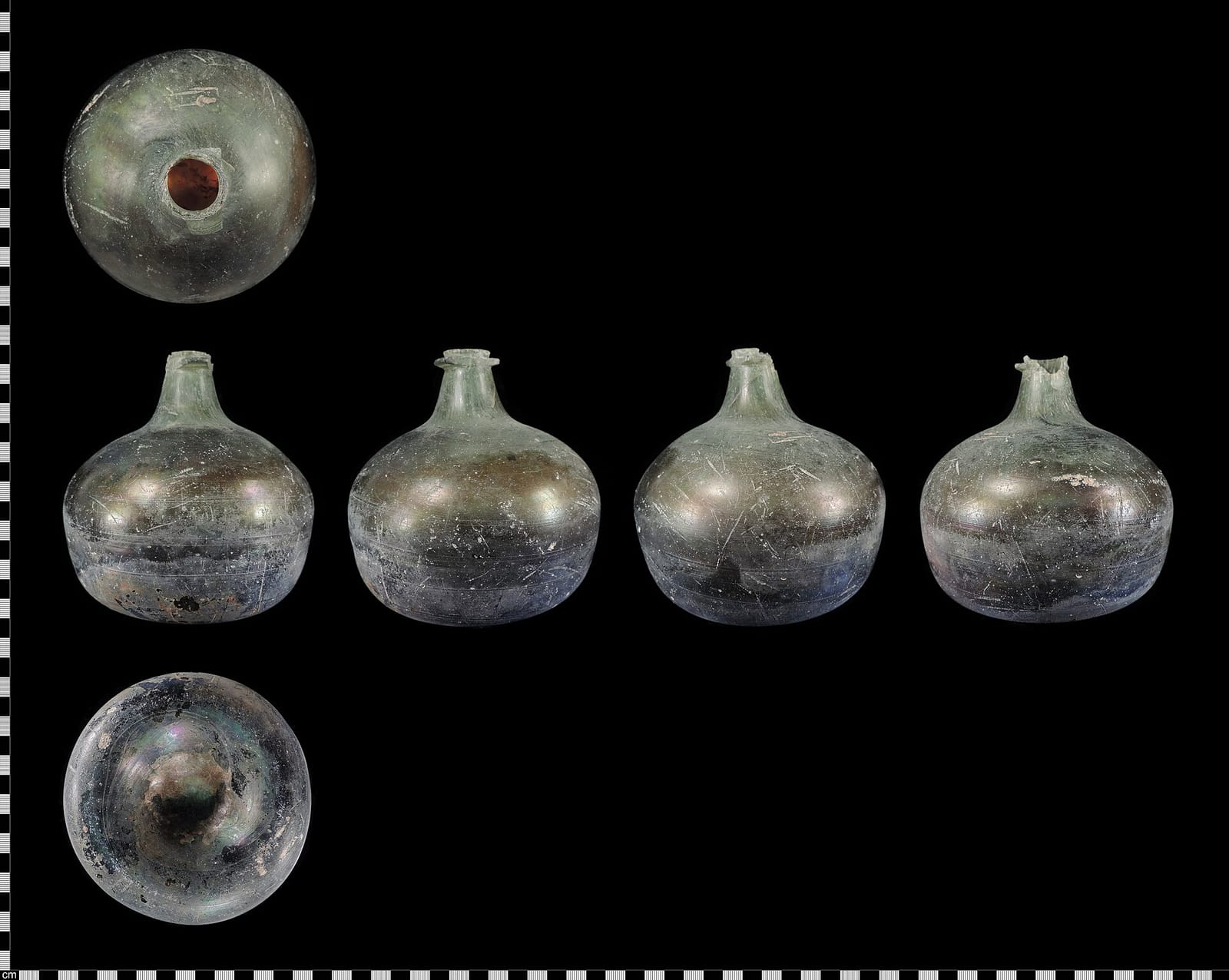
Robin Hood’s Bay is a picturesque old fishing village on the Yorkshire Coast, and it harbors plenty of historical secrets in its sands. The bay was notorious for smuggling in the 1700s, and local lore says contraband gin and wine bottles got smashed or ditched here, only to resurface as sea glass centuries later. A more concrete source of glass is the wreck of the S.S. Oakwell: in 1917 this “bottle boat” sank just off Robin Hood’s Bay with a cargo of empty gin bottles. Many of those bottles likely shattered and have been polishing on the sea floor ever since, contributing to the abundance of old bottle glass washed up on the beach. Combined with household refuse from the village (Victorians often tossed rubbish over the cliffs), it’s no surprise this beach offers a rich variety of sea glass for collectors.
Expect to find well-worn older glass in classic colors: plenty of soft greens, aquamarine, and clear white pieces, often from Victorian and early-20th-century bottles. Lucky hunters might spot embossed lettering on a shard (a hint of its past life), or even the occasional deep cobalt blue or purple piece from medicine and poison bottles of long ago. Robin Hood’s Bay beach is a mix of rocks, pebbles, and sand, with dramatic craggy cliffs as a backdrop. It’s best visited at low tide, when the shoreline widens and reveals rock pools and stony patches where glass hides. (Do keep an eye on the tide; the bay fills up quickly!). Beyond sea glass, this location is famous for fossils, so you might snag an ammonite along with your “mermaid’s tears.” With its storybook village setting and tangible history underfoot, Robin Hood’s Bay offers an atmospheric hunt for sea glass and other treasures of the tides.
Minster-on-Sea, Isle of Sheppey, Kent (England)
On the Isle of Sheppey in the Thames Estuary, Minster-on-Sea beach has a reputation as a sea glass goldmine in the Southeast. This shingle and sand beach is well-known for fossils (you might find ancient shark teeth or shells) and for copious sea glass. Its location near the mouth of the Thames means it collects debris from centuries of maritime activity around London: broken bottles from ships, Victorian era trash, even old beachside amusement parks have all contributed to the mix of glass. The result is a beachcomber’s delight: when beach conditions are right, lots of smooth, flat sea glass is scattered across the pebbles.
Collectors at Minster can expect a palette of pale sea-glass hues. The most common finds are beautifully frosted light blues, aquas, and soft greens, colors coming from vintage soda bottles, medicine jars and glass tableware. These pieces tend to be well-weathered (the estuary’s churning currents make sure of that), so you’ll pick up ultra-smooth specimens ideal for jewelry or display. There are occasional surprises too: the beach has yielded pottery shards and even old glass marbles that wash up intact. When planning a visit, note that Minster Beach has easy access (free parking by the Little Oyster Café) and tends to be quieter in cooler month.
Pentewan Sands, Cornwall (England)
Cornwall’s rugged coast has its share of sea glass hotspots, and Pentewan Sands is often cited as a must-visit for collectors. This wide sandy beach near St Austell was once a busy port in the 19th century, and it hides a salty secret offshore: local legend speaks of a shipwreck just off the coast, laden with bottles and glassware. Over the years, pieces from that wreck (and others along Cornwall’s trade routes) have been ground by the Atlantic into the smooth gems we find onshore. The beach’s natural shape and currents tend to deposit heavy objects like glass in certain areas, especially after winter storms, making Pentewan a treasure trove of sea glass under the right conditions.
Collectors at Pentewan Sands report a rainbow of colors in their hauls. Of course you’ll find the typical green and brown bottle glass from ale, wine, and mineral water bottles. But Pentewan is also known for surprises: cobalt blue chunks (possibly from medicine or poison bottles), sun-purpled clear glass from century-old bottles, and sometimes even rare colors like turquoise or opaque white (“milk glass”). The variety is thanks to the mix of sources, from ship cargo to discarded beach picnic bottles. The setting itself is gorgeous: Pentewan is a long stretch of pale sand backed by dunes and a holiday park, with clear blue Cornish waters lapping in. It’s easy to spend a full day here.
Cullen Bay, Moray (Scotland)
Rounding out our list with a Scottish gem, Cullen Bay in Moray is famed among sea glass hobbyists for its scenic charm and steady stream of finds. This crescent-shaped bay on Scotland’s north coast has unique currents and a long history of glass-bottle disposal, which together leave plenty of sea glass glinting on the pebbles. Cullen was historically a fishing village (and home to a Victorian era railway and harbor), so broken bottles from boats and shore have been tumbling here for ages. The North Sea currents also sweep in glass from afar, depositing it on Cullen’s pebbly eastern end of the beach. In fact, visitors note that the area near the car park, where the beach is rockier, is excellent for finding sea glass.
What can you expect in your collection at Cullen? A little bit of everything: soft green and clear pieces from soda and whisky bottles are most common, but Scottish sea glass has its own highlights. Keep an eye out for deep amber-brown chunks (perhaps from old beer bottles or boat lantern glass) and the coveted “Scottish sea sapphires” (cobalt blue glass that often came from medicine or perfume bottles of the last century). On a good day, you might even find a rare shard of red or an antique bottleneck. Cullen Beach itself offers a delightful backdrop to your hunt: golden sands toward the west, pretty cliffs and sea arches, and the quaint town visible in the distance. It’s usually uncrowded, giving you plenty of space to slowly comb through tide lines.

Crosby Beach, Merseyside (England)
Just north of Liverpool, Crosby Beach is best known for Antony Gormley’s eerie and iconic Another Place installation: 100 life-sized iron figures staring out to sea. But for sea glass hunters, there’s another reason to visit: the beach quietly delivers some surprising finds, especially for those willing to dig around a bit. I may be a little biased on this one as its my local beach and the one I go to the most out of convenience.
The source of sea glass at Crosby is partly due to post-war coastal dumping. After the Blitz, rubble from bombed-out buildings in Liverpool was brought to this stretch of coast, including broken windows, porcelain, and bottles. Over time, the waves took care of the rest. Today, you’ll find well-worn glass in clear, green, and brown, with the occasional standout blue or patterned shard if you’re lucky. Some collectors have even reported finding wire-reinforced safety glass, likely from shattered industrial or domestic windows. It’s not a beach for those looking for unique and rare colours, but if you just want to find sea glass I don’t think there’s a better place honestly.
And while you’re hunting, don’t forget to glance up now and then: those haunting iron statues staring across the sand make Crosby one of the most surreal and atmospheric beaches to comb in England.