Red Sea Glass: All About the Rare and Elusive Red Sea Glass
Discover the beauty and rarity of red sea glass, its origins, and how it forms. Learn tips for finding and collecting red sea glass.
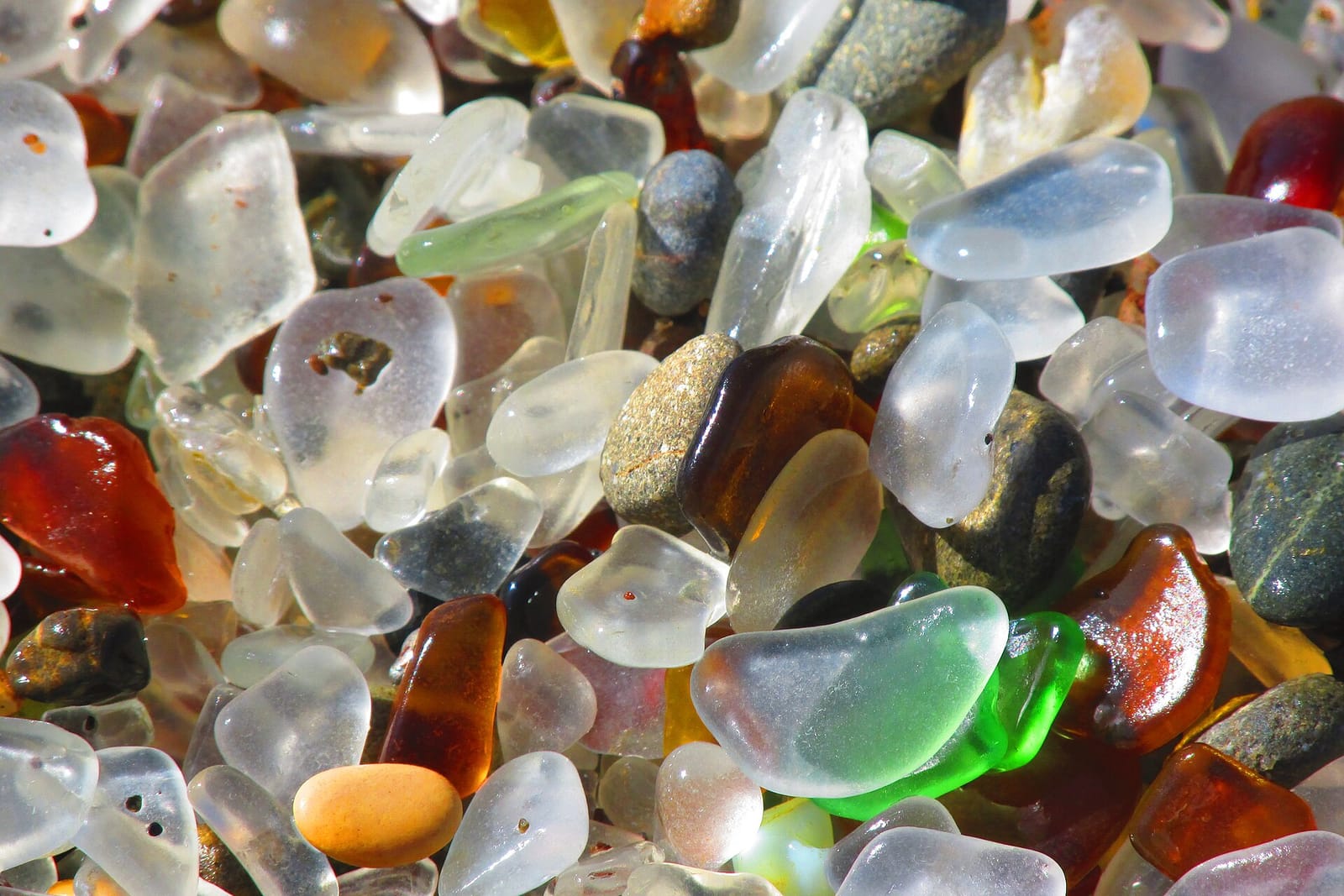
Photo: “Sea glass at Glass Beach in California (closeup) - 2016” by Moximox, CC BY-SA 4.0
- Rarity
- 1 in 300 (rare sea glass)
- Colors
- Light and Dark Reds
- Age
- From 1900s+
- Origins
- Decorative objects, Glass and tableware and uses in Martime.
When we think of rare sea glass, red is often the colour that comes to mind. To understand why certain sea glass colours, like red, are rare, we need to consider the range of products, industrial or commercial, that might have used red glass and why it was chosen, including its visual appeal. Now, if I asked you to name a single object in your home made from red glass, could you? Personally, I couldn’t. Red glass is uncommon today, and historically, it was never widely produced. However, certain items must have been made from red glass because, despite its rarity, it can still be found on beaches around the world. In this article we’re going to explore where red sea glass might have come from and look at examples throughout history of items and objects made from this elusive sea glass colour.
Video courtesy of Beachcombing Magazine. Source here.
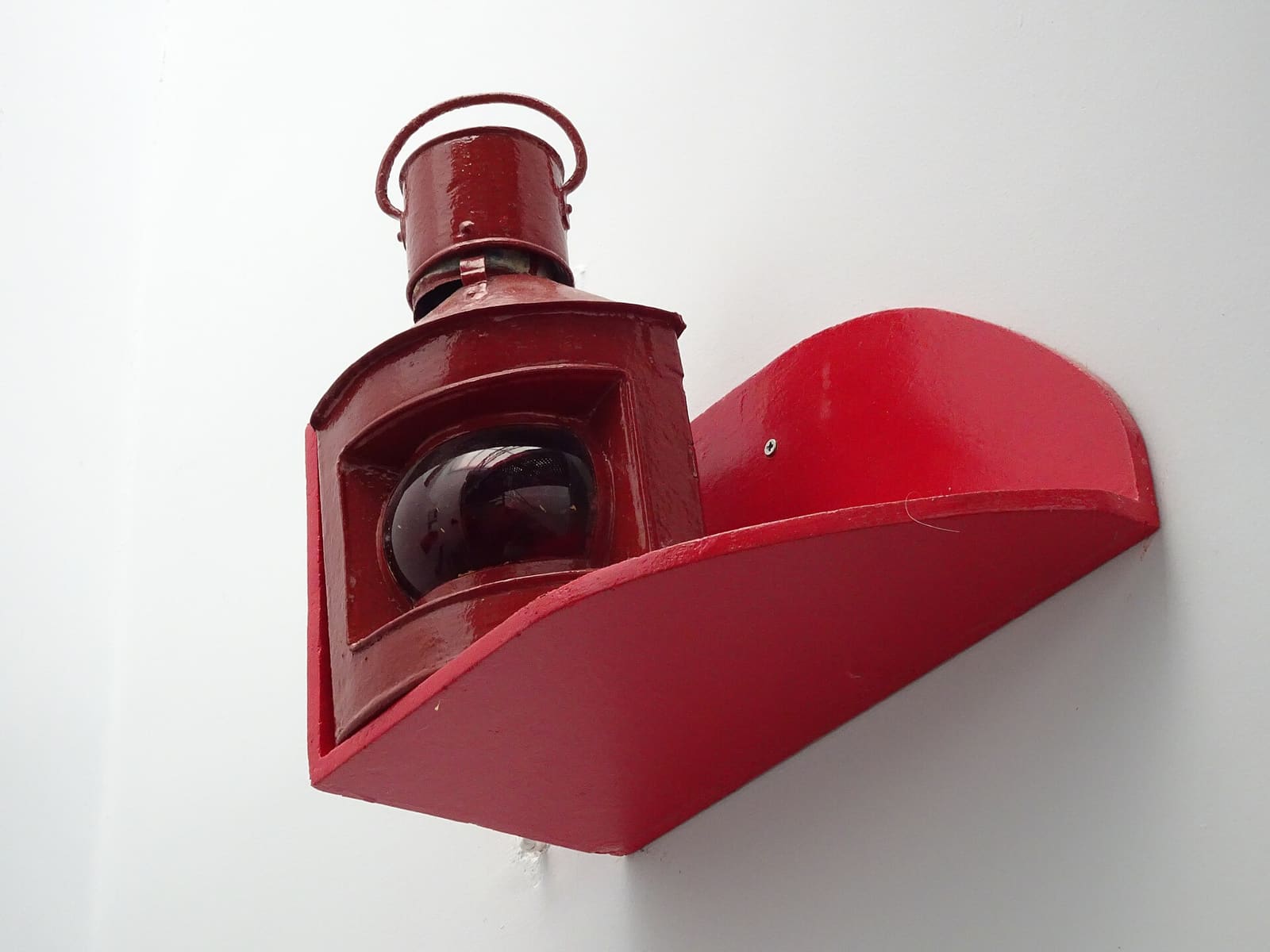
Red Glass used in Maritime
One prime example of the use of red glass is in shipping. Nautical lights like the one pictured above use red glass for a specific purpose related to maritime safety and navigation. In nautical signalling, red light traditionally indicates the port side (left side when facing forward) of a vessel. This system helps ships avoid collisions, especially at night or in poor visibility. When another vessel sees the red light of a ship, it knows it is approaching the ship’s port side and should take appropriate action, such as yielding or adjusting its course.
Additionally, the use of red glass in older nautical lamps was practical because it produced a distinct, visible colour that could cut through fog and low visibility conditions, making it easier for nearby vessels to recognize and respond accordingly. As you’d imagine, many of these old lights while already being at sea ended up in our oceans ready to be turned into sea glass and eventually washed up on our shores.
Red Glass in Glassware
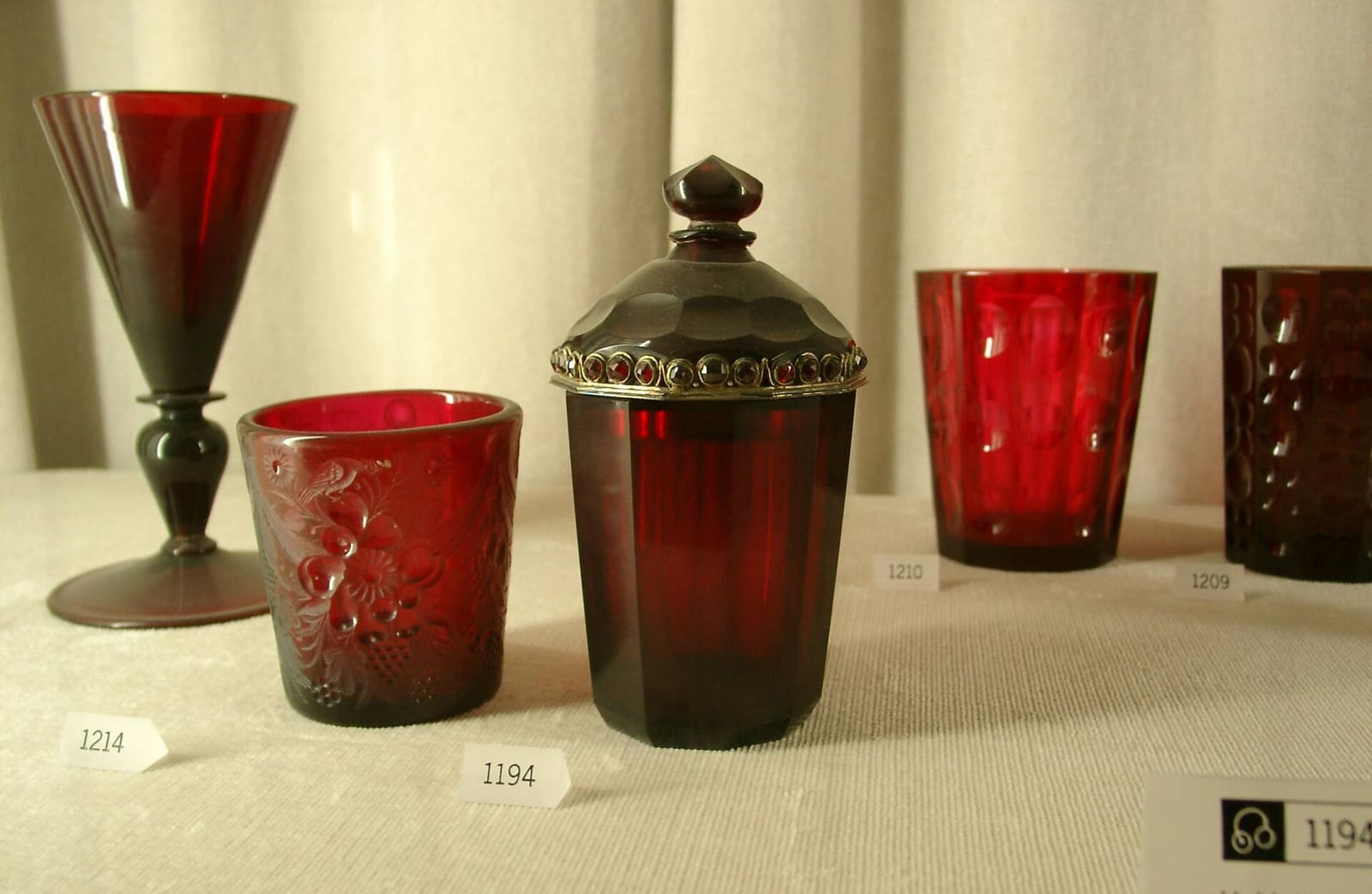
Another example of red glass can be found in certain niche collections of glassware. A classic and popular example is the Avon 1876 Cape Cod Glass Collection, which was introduced in 1975 and discontinued in 1993. With 37 different items in the line, this collection was quite popular and could be a possible source of any red sea glass you find. The Avon collection was produced by Anchor Hocking’s Royal Ruby Glass, a company known for its red glassware. Founded in 1905, Anchor Hocking had a successful history spanning over a century, during which it produced millions of tons of its signature red glassware. For more information and images of Royal Ruby glassware, visit the Anchor Hocking Glass Museum website.
The Rarity of Red Sea Glass
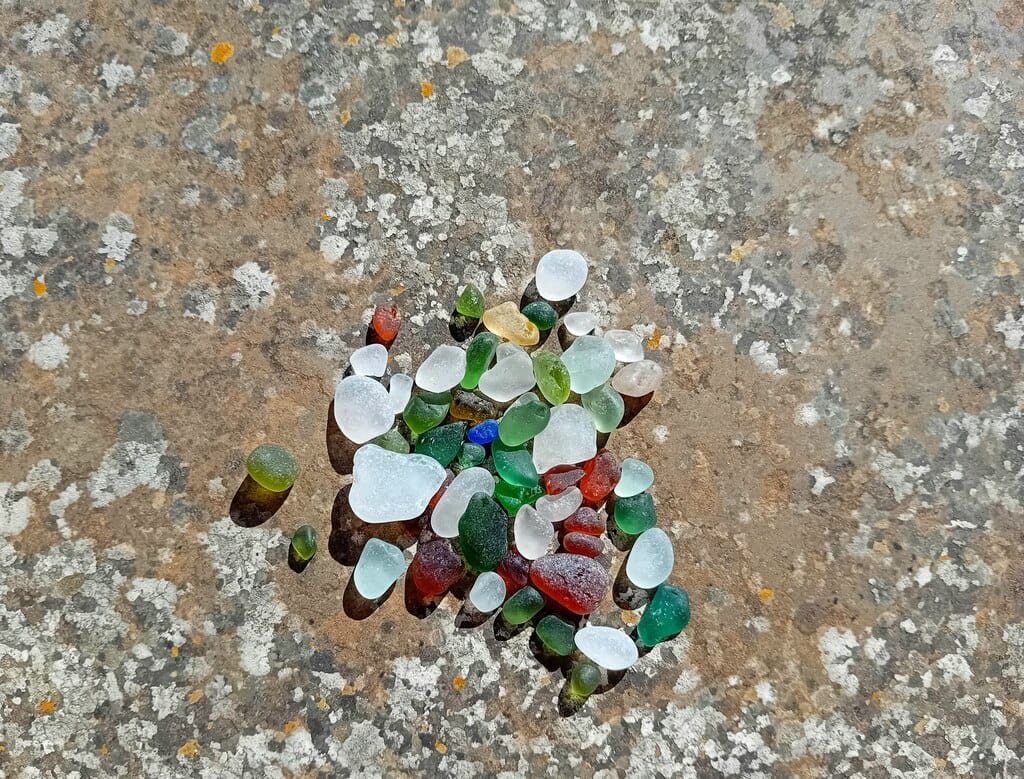
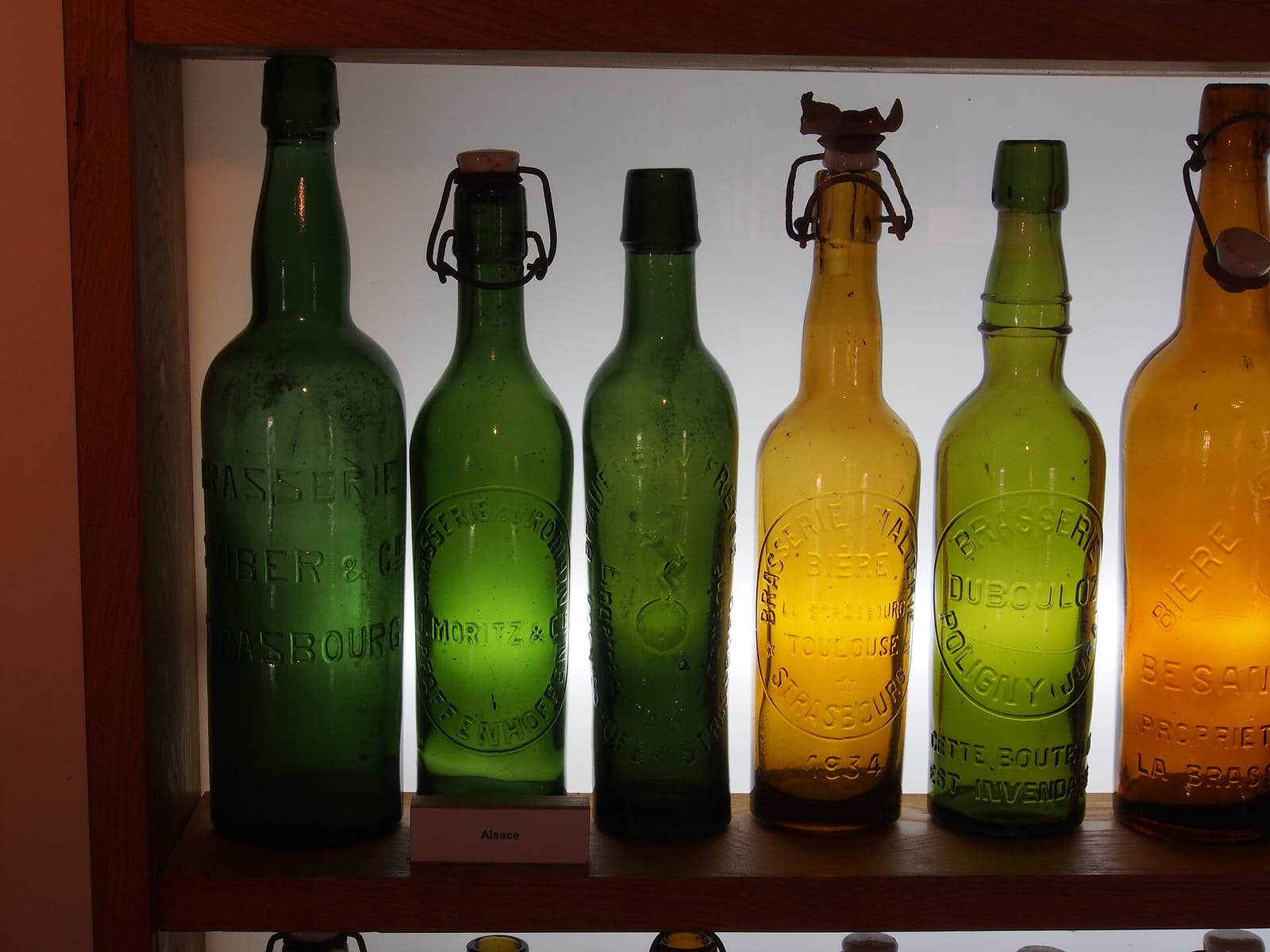
As you can see, very little red glass has ever been produced. If we compare the relatively low volume of red glassware to the massive quantities of brown or green glass bottles made daily for beer, it becomes clear why red sea glass is so rare and captivating. Red sea glass is also more commonly found in locations where red glassware was popular. Since Anchor Hocking’s Royal Ruby Glass was an American company, it was much more widespread in the United States. As a result, red sea glass is easier to find along American coastlines. In contrast, it is exceptionally rare on UK beaches. As of 2024, I have personally only found two small pieces of red sea glass.
Where to find red sea glass in the UK?
While green sea glass is generally one of the more common colors found along shorelines, not all green sea glass is created equal. The shade significantly influences rarity and value, with olive green being notably less common than the typical lighter shades of green.
Light green sea glass is frequently sourced from items like soda bottles, beer bottles, and other mass-produced glass that was widely used from the early 20th century onward. Because these types of glass items were so abundant, the lighter green shards are also plentiful, making them a common find for beachcombers.