Is it illegal to Collect Sea Glass UK? A Beginners Guide
Discover whether collecting sea glass is illegal in the UK, with a detailed exploration of the laws and guidelines surrounding sea glass.
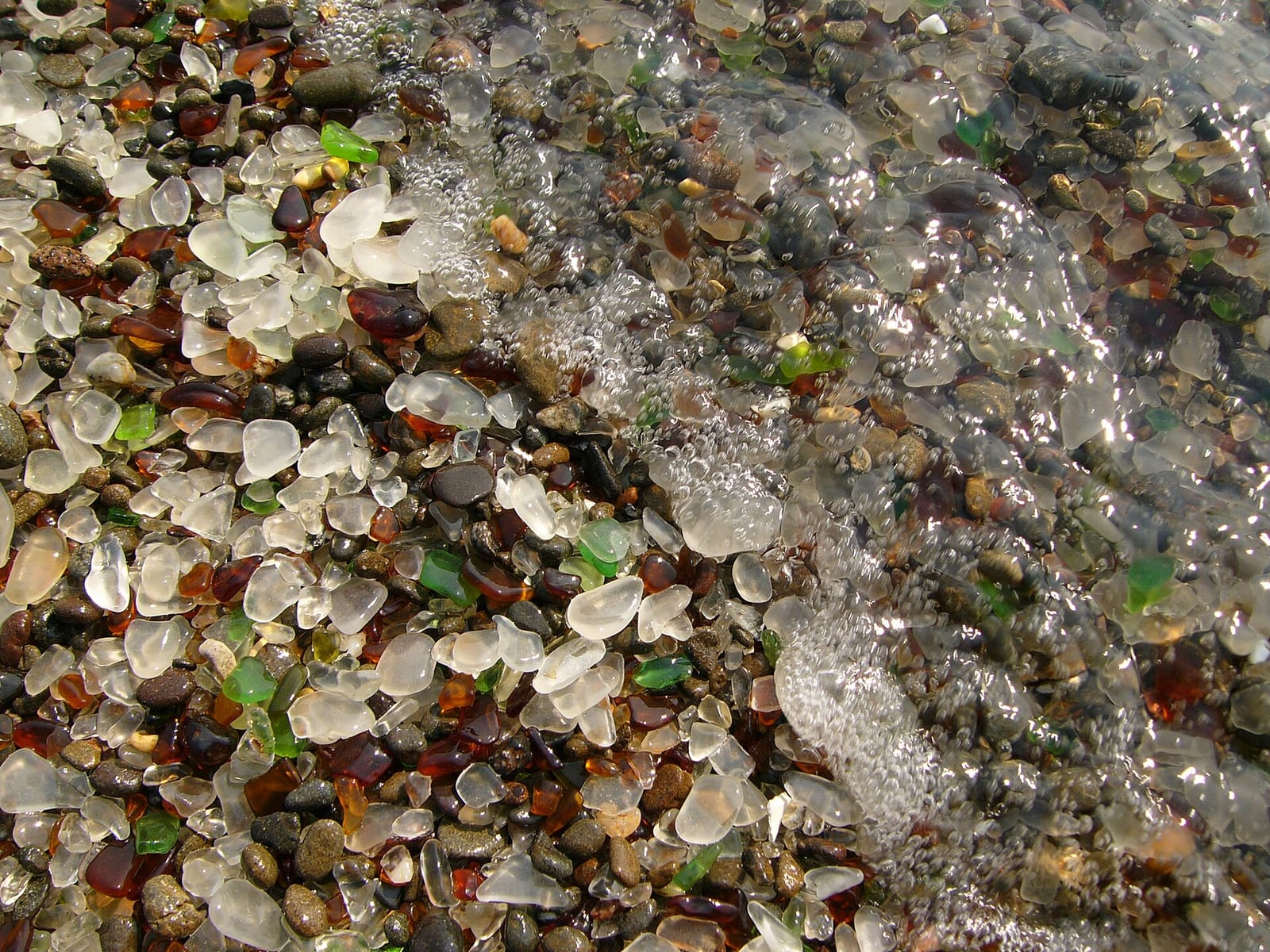
Photo: “Glass Beach Fort Bragg 2” by Jef Poskanzer, CC BY 2.0
- Rarity
- 1 in 30 (rare - hard to spot)
- Colors
- Red, Green, Brown (all dark shades)
- Age
- From 1600s - 1900s
- Origins
- Alcohol Bottles, decorative objects.
If you’ve ever wanted to take something home from a beach then you may be surprised to hear that the laws surrounding what you can and can’t take from a beach aren’t that clear cut. This article aims to dispel the myths around what you can and can’t take from a beach, why this is and the laws involved and answer the question as to whether it’s illegal to collect sea glass in the UK.
The Coast Protection Act of 1949 made it illegal to remove natural materials such as these from any UK beach. This act was put in place to manage and prevent coastal erosion. Removing sand, pebbles, or other materials from a beach can disturb the natural defences that protect the coastline from erosion. Sand and other natural materials help absorb the energy of waves and protect the land from being washed away. When these materials are removed, it can accelerate erosion and lead to damage.
In addition to the Coast Protection Act, laws like the Wildlife and Countryside Act 1981 and the Marine and Coastal Access Act 2009 protect natural habitats and ecosystems. Beaches are often part of protected areas, and removing materials can disrupt local wildlife habitats. For example, small pebbles, shells, and seaweed are important for beach ecosystems, providing homes for species or nutrients for the environment.
Is it illegal to collect sea glass uk?
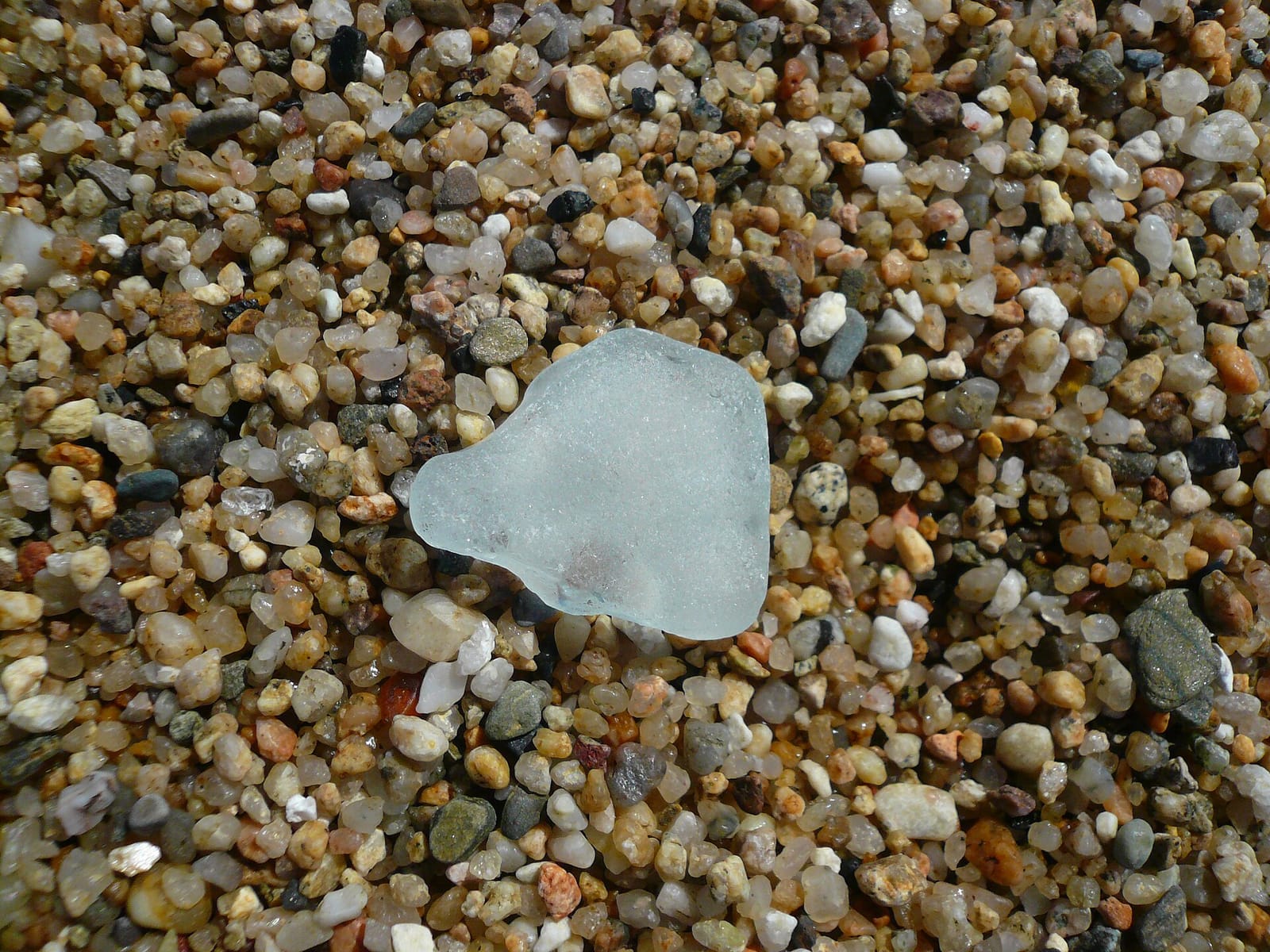
But does this law extend to non-natural materials such as sea glass? Well in the eyes of the law sea glass is actually considered ‘rubbish’ as at the end of the day it is a material not naturally occurring part of the beach ecosystem. This means sea glass does not affect any of the above talked about laws. With collecting sea glass, in the eyes of the law, you’re actually cleaning the coastline from object’s not meant to be there in the first place.
What about other beachcombing objects found on the beach?
Other objects similar to sea glass are also acceptable to take from UK beaches but always make sure you’ve done your research before taking anything from the coastline. Some of these other objects could include the following:
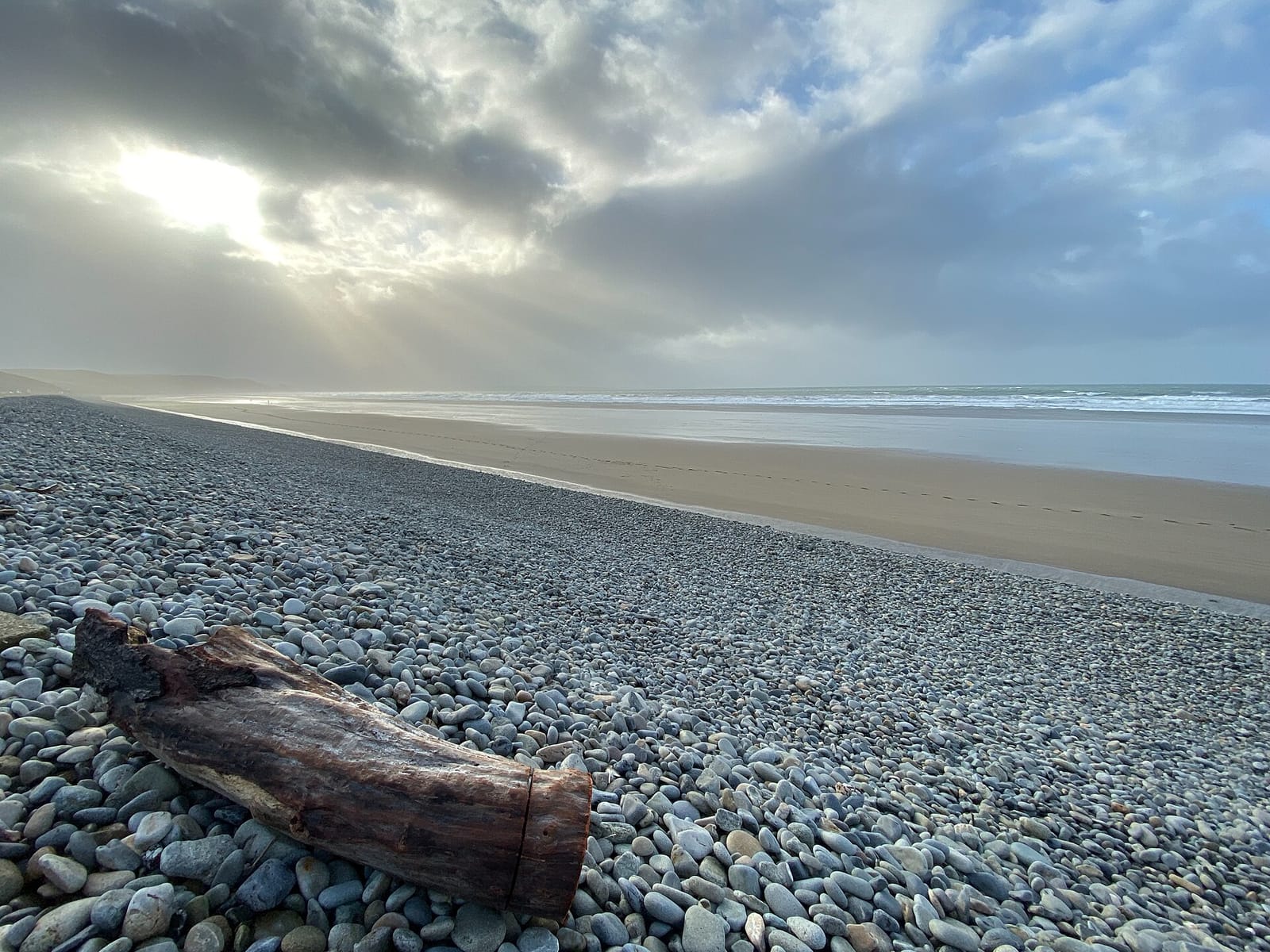
Driftwood
Small pieces of driftwood are often allowed to be collected. However, in certain areas, large pieces of driftwood may be considered part of the coastal ecosystem, so always be mindful of local regulations. Although something might not be inherently illegal it’s always best to use common sense when considering what to take. Driftwood although not natural or organic to the beach do serve as fantastic habits for small creatures so it’s definitely worth leaving it if you can.
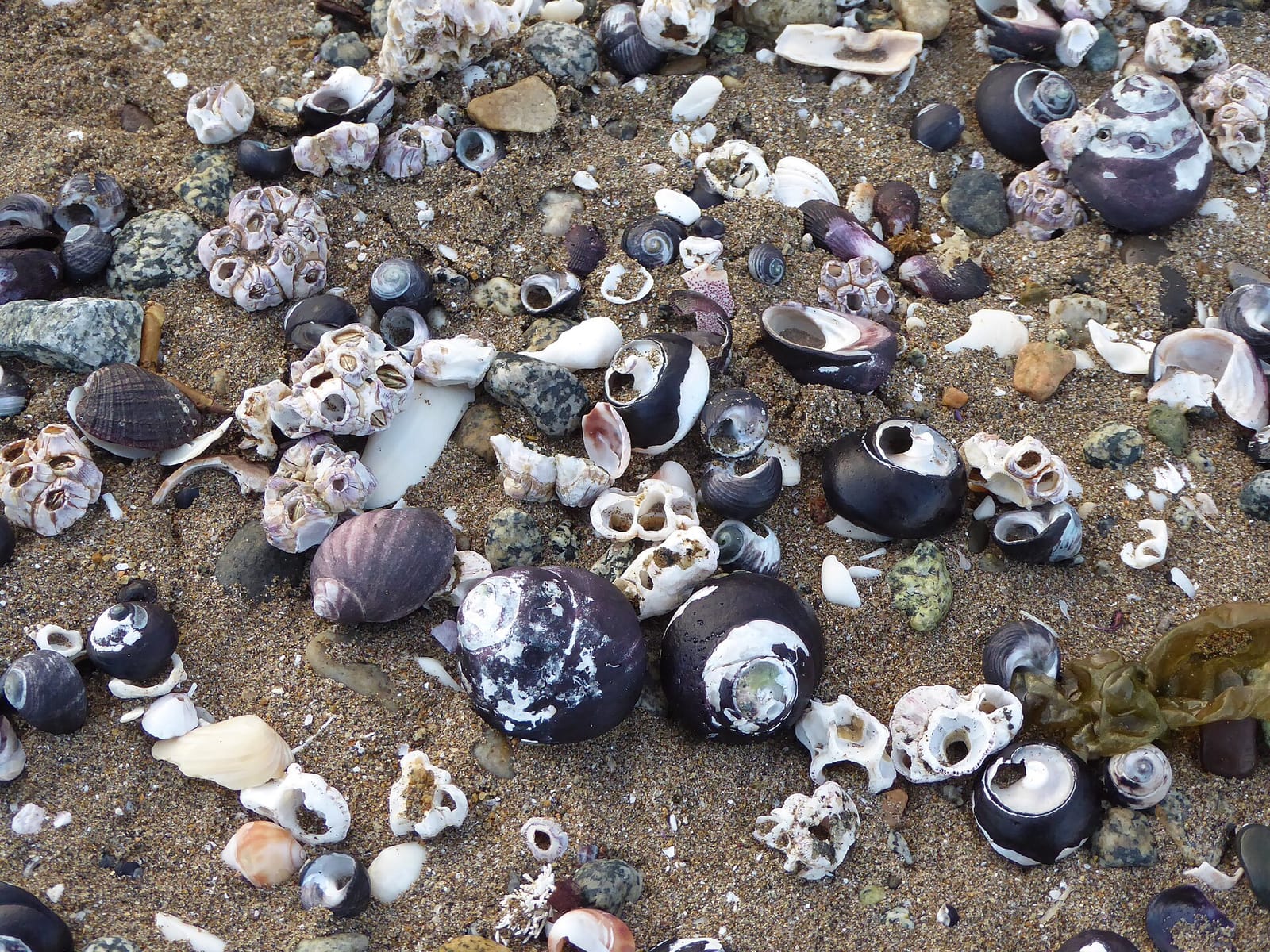
Shells
Empty shells can typically be taken in small amounts, provided they are not part of a protected area or nature reserve. In some locations, there may be restrictions on taking larger quantities or specific types of shells, particularly if they are essential to the local ecosystem.
Non-Natural Debris (e.g., Plastics)
Any man-made litter (like plastic, glass, or metal objects) is generally safe and acceptable to remove. Cleaning up litter helps the environment and is encouraged.
Overall if you’re plans are just to collect sea glass then you’ll have no issues taking it from any UK beach you visit. Sea Glass is not considered a natural or organic material and it not effected by the many laws surrounding what you can and can’t take from a beach. Enjoy and happy hunting!